01
Diagnose
Understand the business context, customer friction, constraints, and the real reason the work needs to exist.
Decision
What problem is worth solving first.
Typical outputs
UX audit, feedbacks, journey notes, opportunity map.
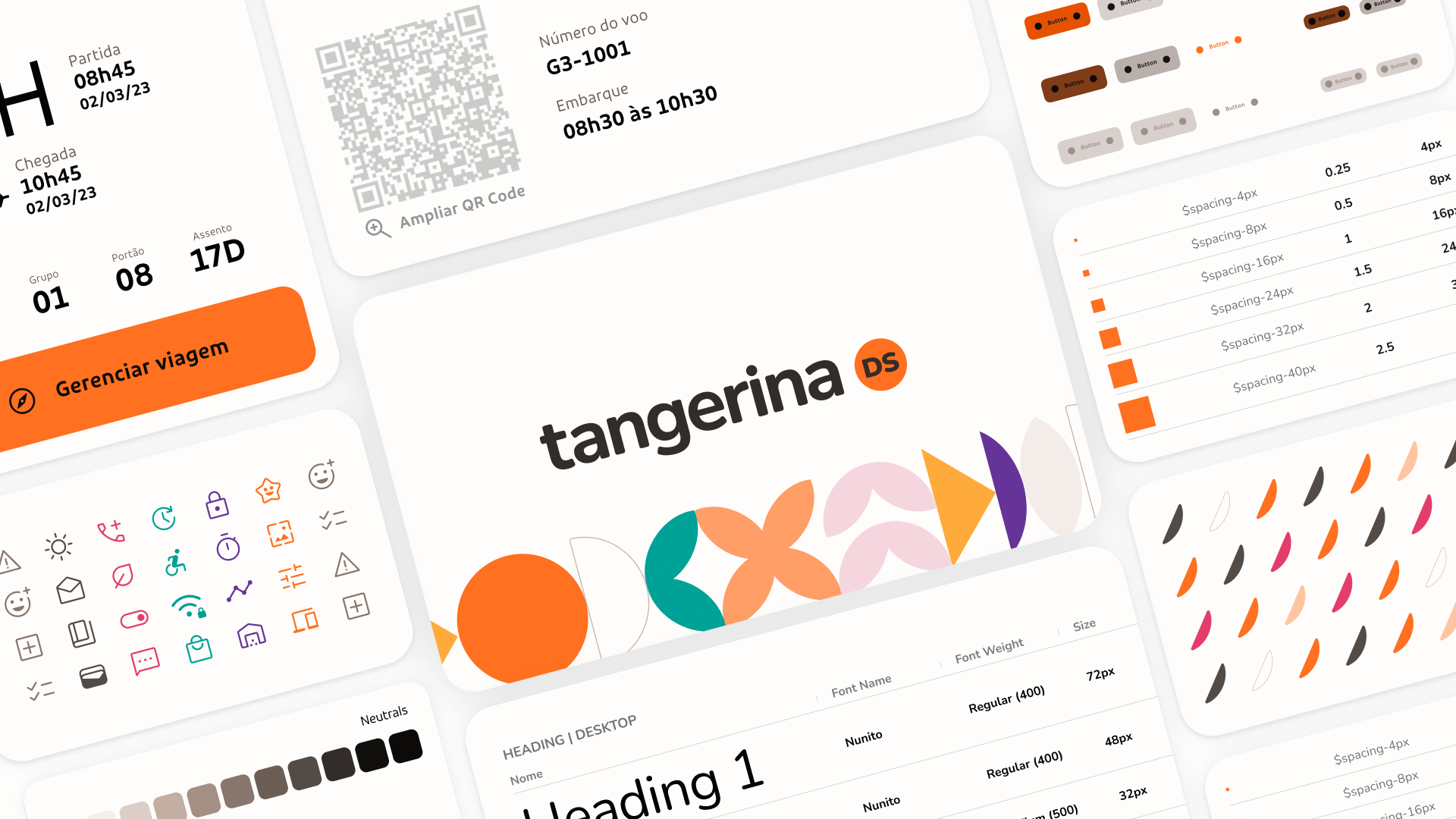
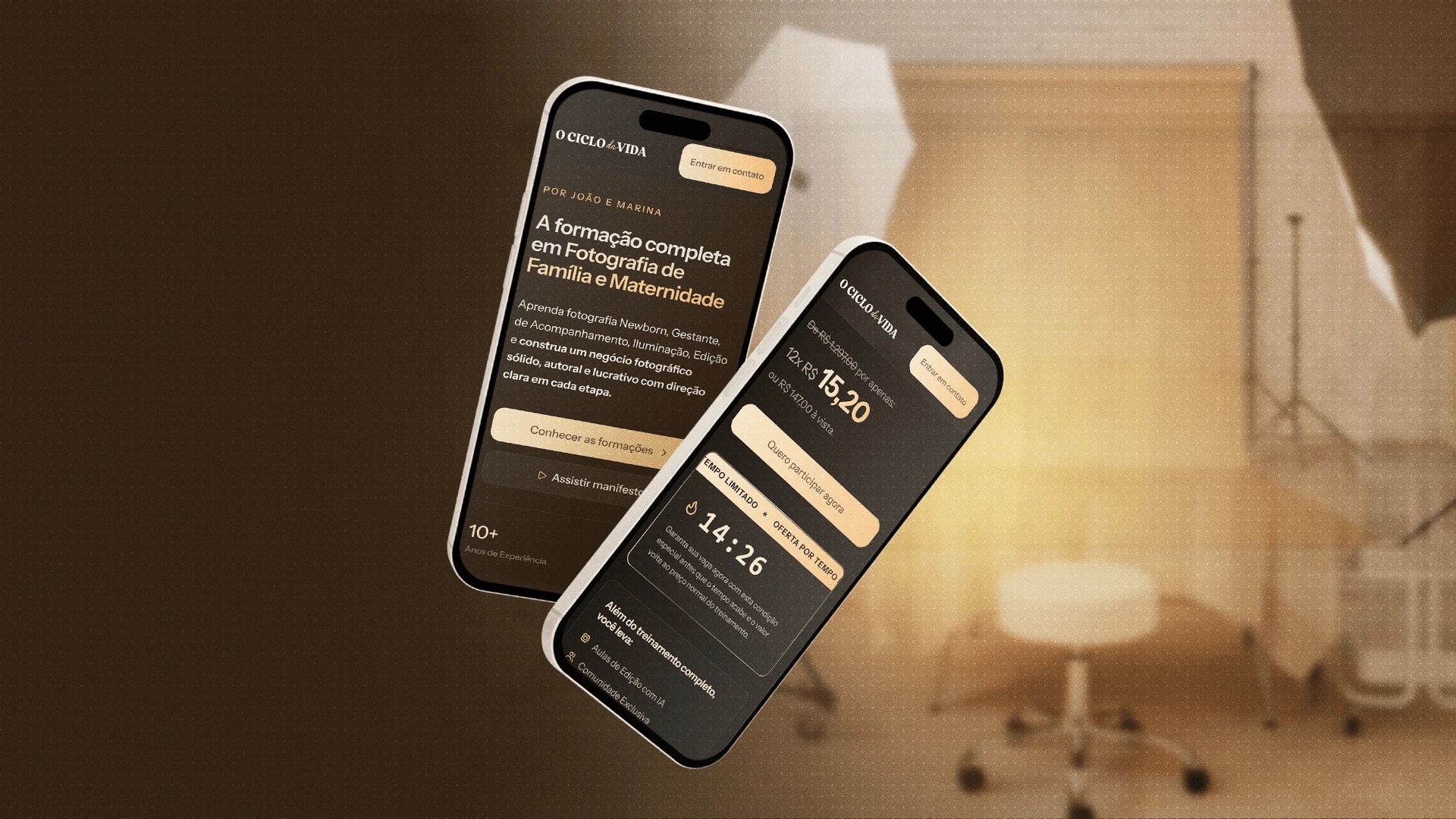
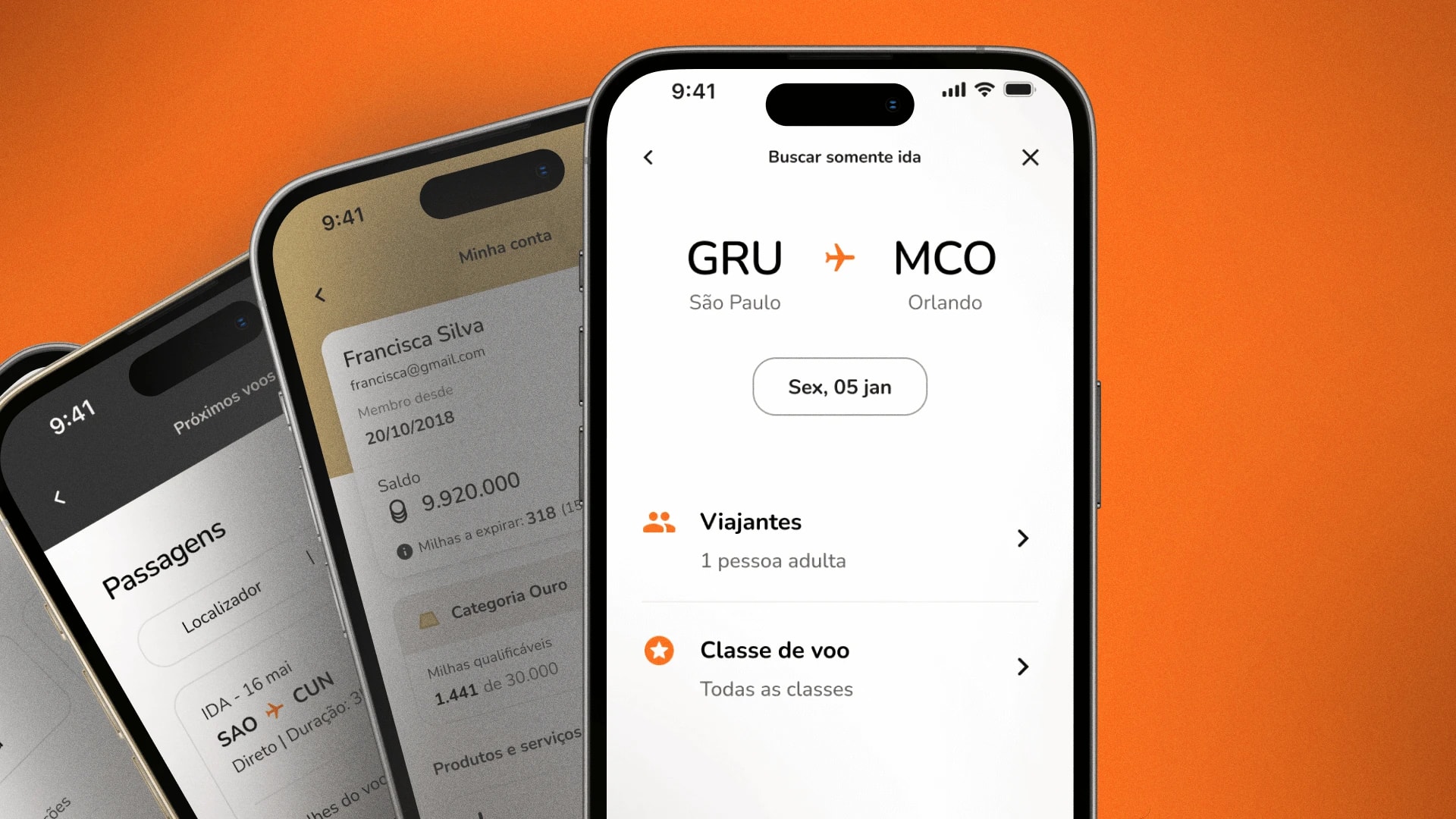
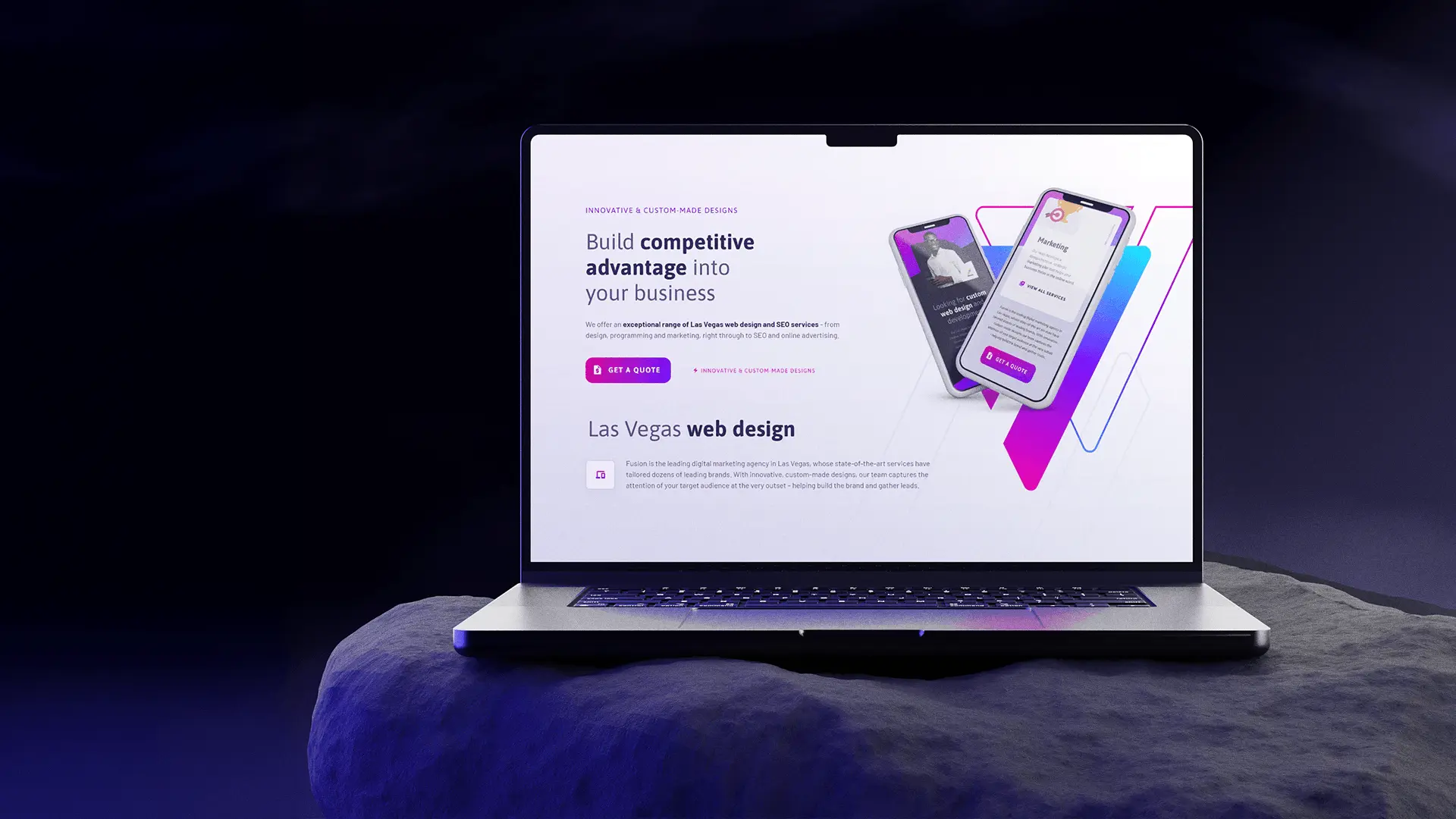
As a Staff Product Designer, I keep a curated portfolio of public work here: projects selected for what they reveal about decision-making across product, UX, design systems, web, and execution. The list is built for fast scanning, with deeper reading when a full case study is available.
The exact method changes with the context, but the operating model stays consistent: understand the problem, structure the path, design with constraints in view, and keep quality measurable through delivery.
Understand the business context, customer friction, constraints, and the real reason the work needs to exist.
What problem is worth solving first.
UX audit, feedbacks, journey notes, opportunity map.
Translate ambiguity into flows, priorities, information architecture, and a direction the team can evaluate.
How the experience should be organized.
Journey architecture, sitemap, user flows, content hierarchy.
Shape the interface, interaction model, accessibility baseline, and system rules behind the experience.
Which patterns make the product clearer and easier to use.
Prototypes, components and design decisions.
Support implementation, validate quality, and turn what was learned into the next practical improvement.
What needs to change before and after release.
Design QA, handoff, performance checks, iteration backlog.
Better customer experience comes from clear decisions.
Whether you're dealing with low conversion, complex journeys, or misaligned teams, the first step is always the same: understanding what's broken, what matters most, and what will create real impact. From there, meaningful customer experience improvements become possible.